
 By Henry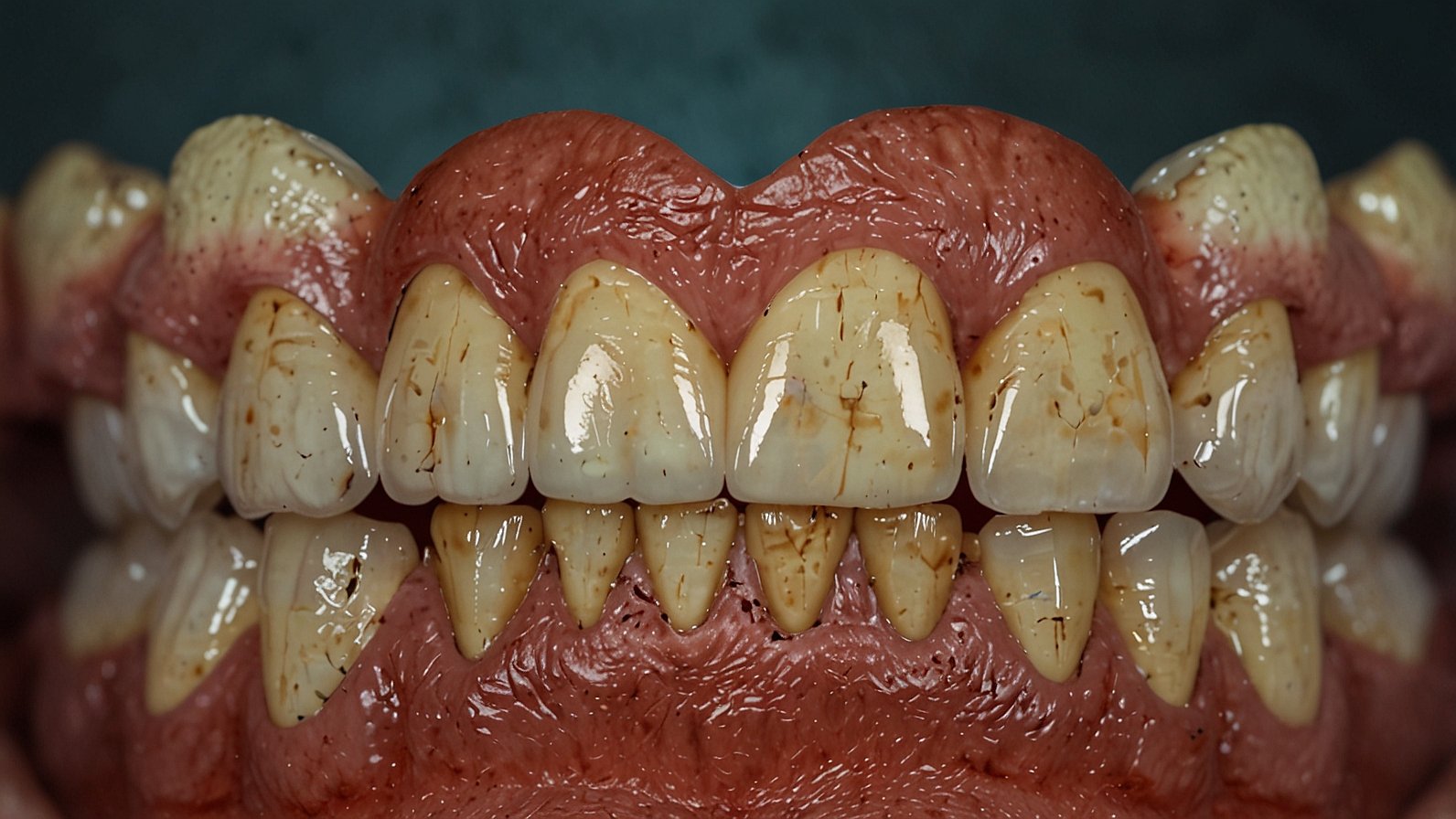
- Chipped or decayed teeth, while seemingly minor, can lead to major dental issues if left untreated.
- Swift, professional intervention—such as bonding, veneers, crowns, or fillings—can halt the progression of damage and preserve oral health.
- Immediate home care and preventive practices significantly reduce the risk of future problems.
- Regular dental check-ups are crucial for the early detection and management of dental issues.
A chipped or decayed tooth can appear harmless at first glance, but dental professionals warn that even minor damage exposes teeth to serious risks. When a tooth’s structure is compromised, bacteria can access deeper parts of the tooth, increasing the chance of infection, nerve damage, or abscesses. In many cases, untreated decay or chips can lead to irreversible tooth loss or the spread of infection to adjacent teeth or tissues. The longer you wait, the greater your risk of facing emergency dental procedures or long-term oral health problems. Modern advances in dentistry now make it possible to address these issues rapidly and efficiently, so it’s essential to seek prompt help. For instance, many practices offer same day crowns Orlando, FL as a solution that restores damaged teeth in just one appointment.
Allowing a tooth with structural damage to remain untreated can lead to pain, chewing difficulties, and a decline in overall confidence and well-being. According to the Centers for Disease Control and Prevention (CDC), untreated dental infections can also affect your overall health, contributing to issues such as cardiovascular disease. Early treatment isn’t just about saving a tooth—it’s about supporting your body’s total health.
Delaying treatment for seemingly minor chips or decay means that everyday activities, such as eating, drinking, or even speaking, may quickly become uncomfortable or even risky. Addressing tooth damage as soon as it’s noticed helps to limit further deterioration and minimize future complications.
In fact, the CDC warns that dental cavities left untreated can lead to swelling, infection, and eventual tooth loss. This highlights the importance of addressing minor dental issues promptly to prevent more significant clinical and financial burdens.
If you accidentally chip or crack a tooth, knowing how to respond can prevent further damage or pain until you can see a dentist. Start by rinsing your mouth carefully with warm salt water to help reduce the risk of infection and clean away debris. Applying a cold compress to the outside of your cheek will help minimize swelling and discomfort in the meantime.
- Don’t chew on the damaged side: Avoid putting more pressure on the affected area until a dental professional evaluates it.
- Protect the area: Use dental wax or sugar-free gum to shield any jagged edges that might injure your tongue or cheeks.
- Monitor pain and bleeding: Over-the-counter pain relief and gentle pressure on any bleeding areas can help until you reach your dentist.
These steps are only temporary solutions; prompt professional care is vital for preventing infection or major tooth loss.
For minor chips, dental bonding is a cost-effective and simple solution. Dentists apply a tooth-colored resin that quickly hardens, restoring the shape and function of the damaged tooth. Bonding is usually completed in a single visit, making it an ideal fix for small chips that compromise the appearance or comfort of your teeth.
When the chip is more significant or affects the front of a visible tooth, porcelain veneers offer an attractive and durable solution. Veneers cover imperfections and can last for up to two decades, blending in with your natural smile while protecting the underlying tooth from further harm.
If a large portion of your tooth structure is lost, dental crowns (also known as caps) are often recommended. Crowns encase the entire visible part of the tooth, restoring strength and function while maintaining a natural look. Thanks to digital dentistry, some dental offices now offer same-day crowns, allowing you to leave with a fully repaired smile in just a few hours.
For decayed areas, dentists remove the affected tooth structure and fill the cavity with tooth-colored composite or amalgam. This prevents further decay and restores your ability to chew comfortably.
Putting off treatment for a chipped or decayed tooth may seem convenient—until the problem worsens. Minor repairs can escalate into root canals or extractions if the infection spreads or the damage worsens. Timely intervention preserves more of your original tooth structure, helps you avoid pain, saves money in the long run, and mitigates the risk of more complex dental issues requiring advanced restorative procedures.
Regular check-ups with your dental provider enable the early detection and management of dental problems, supporting both your oral and overall well-being. According to the American Dental Association, making dental visits a routine part of healthcare is one of the best defenses against sudden dental emergencies and long-term complications.
Preventing tooth damage and decay begins at home. Prioritize brushing twice daily with fluoride toothpaste and flossing regularly to remove food debris and plaque from hard-to-reach spaces. Consuming a balanced diet low in sugary foods and acidic drinks helps build strong teeth resistant to decay.
- Protective gear: Wearing a mouthguard while playing sports or engaging in high-risk activities minimizes the risk of accidental chips or breaks.
- Healthy habits: Avoid chewing on ice, popcorn kernels, or hard candies that could unexpectedly fracture your teeth.
- Regular visits: Schedule professional cleanings and exams at least twice a year to catch issues early.
Building these preventive habits reduces your risk for both minor and major dental emergencies, ensuring improved oral health across your lifespan.
Chipped or decayed teeth require swift action to prevent more complicated dental issues in the future. Early intervention through quick fixes, such as bonding, veneers, crowns, or fillings, not only improves your smile but also protects your long-term oral health. Adopt daily preventive habits and schedule regular professional check-ups to avoid the stress, pain, and expense of dental emergencies. A proactive approach is the most effective way to maintain both your confidence and your well-being.
You May Also Like: 8 Ways to Save Money on Oral Health
 Prime Star