
 By Prime Star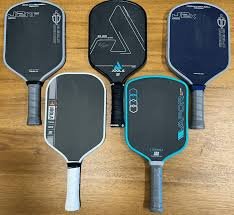
When it comes to pickleball, the paddle you choose can make a huge difference in how you play — and how much fun you have. A good paddle isn’t just about power: it’s about balance. That means performance (power, spin, control), comfort (grip, vibration, fatigue), and value (durability, versatility, price). In this guide, we compare some of the best paddles on the market today — and what makes each one stand out.
Before we dive into specific paddles, let’s review what factors really matter:
- Core material and construction. Most modern paddles use a honeycomb polymer (polypropylene) core. This type of core offers a balanced mix of power and control while absorbing vibration — making it easier on your wrist and elbow.
- Face / surface material. Carbon fiber or graphite faces are common in mid-to-high-end paddles. Carbon fiber tends to provide a solid feel, good spin potential, and durability.
- Weight and balance. Lightweight paddles (≈ 6.5–7.5 oz) give quick reactions and comfort, ideal for net play or long sessions. Midweight paddles (≈ 7.6–8.3 oz) strike a balance between power and control — often best for most players. Heavy paddles give more power but can strain your arm.
- Shape, sweet-spot, and grip. A wider paddle face offers a larger “sweet spot” — great for beginners or those who prioritize consistency. Elongated or standard shapes give longer reach or maneuverability — suited to different play styles. Grip size and handle length also affect comfort and control.
With these in mind — let’s look at some of the top paddles right now.
An excellent all-around paddle for players seeking a high level of control without sacrificing power. Its carbon surface and balanced design make it ideal for those who value touch and consistency. Great for all-around play and long rallies.
Known for durability and a well-rounded feel. This paddle balances power and control, making it a good choice for intermediate players who want a paddle that lasts long and suits a variety of play styles.
A solid mid-range paddle offering a nice mix of comfort and control. Its grip and balance make it suitable for longer sessions and for players who want consistency and reliability without spending too much. Good value for money.
A pro-level paddle with carbon fiber build that favors precision, spin, and quick reaction. If you’re advancing your game and want a paddle that supports aggressive shots and spin-heavy play, this is a strong option.
A balanced mid-range paddle that works well for recreational and club players. Offers dependable power and control; a good choice if you want something reliable for regular play without overspending.
A budget-friendly but decent paddle that’s great for beginners or casual players. It might not offer the highest performance compared to premium paddles, but as an entry-level pick, it’s a sensible value buy.
There’s no universal “perfect” paddle — the best paddle is the one that fits your playing style, physical comfort, and budget. A top-performing paddle for one person might be heavy or unforgiving for another. As many guides suggest, start with a well-balanced midweight paddle featuring a polymer or carbon/poly core, a comfortable grip, and a surface that matches your preference (control vs. power).
If you’re on a budget or new to pickleball, a mid-range paddle can already offer a reliable combination of performance and value. For more advanced players — especially those who prioritize spin, precision, or speed — investing in a carbon-fiber premium paddle can pay off in control, reaction, and overall quality.
Finally — try before you commit if you can. If there’s a local club or store that offers demo paddles, test a few styles: lighter, heavier, wider, elongated. See how each feels on volleys, dinks, drives, and drops. Your “ideal paddle” will feel like an extension of your hand — comfortable, responsive, and tailored to your style.
 Henry
Henry