
 By Henry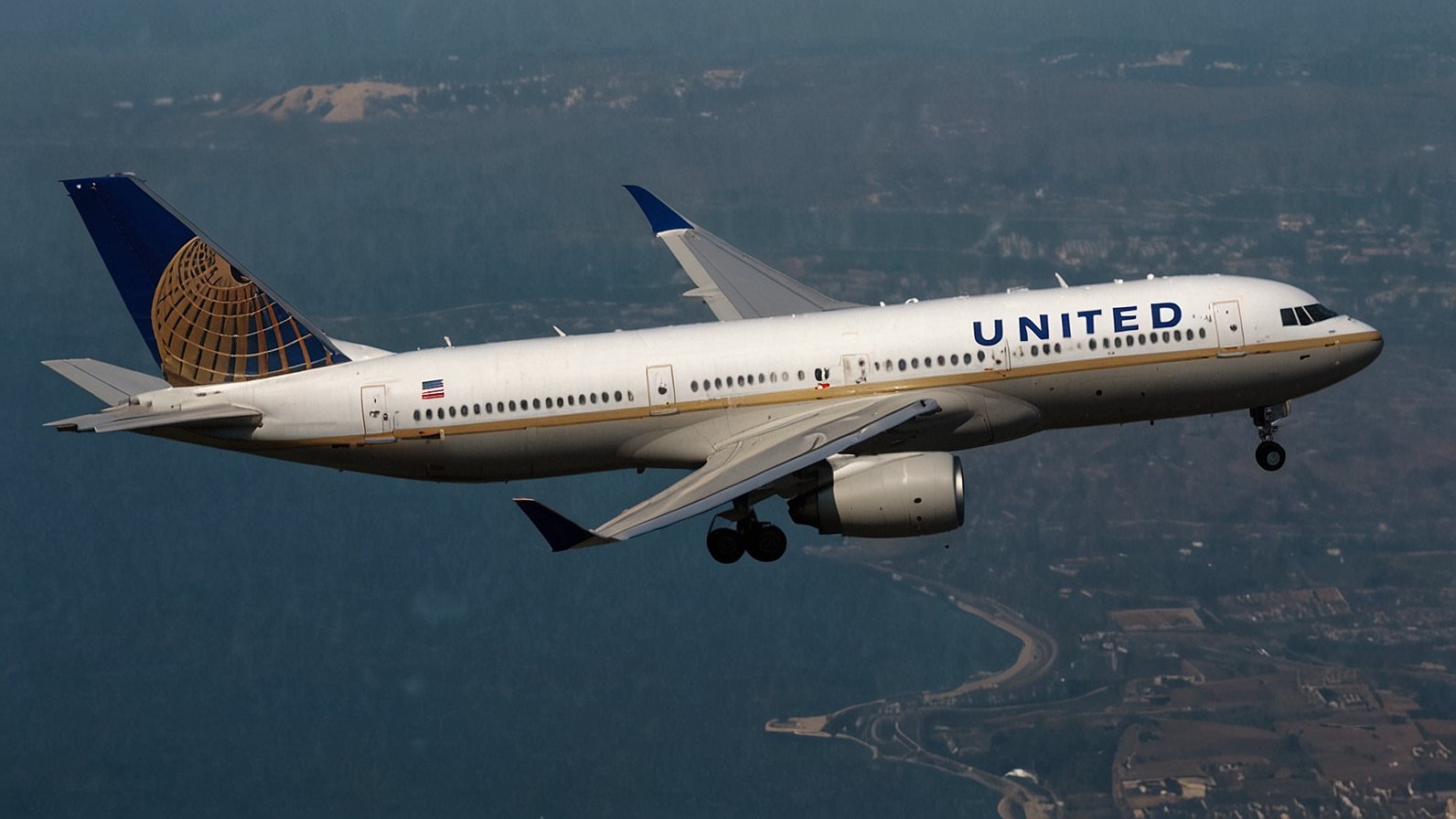
Ever settled into your airplane seat, glanced at the flight map on the screen, and thought, “What happens if something goes wrong up here?” It’s a fleeting curiosity for most of us, quickly replaced by thoughts of destination or the in-flight movie. But for passengers on a specific flight from San Francisco to London, that became a brief reality—followed by a powerful lesson in modern aviation safety.
This is what happened with the United Airlines Flight UA770 emergency diversion, a event that sounds alarming but is actually a textbook example of safety systems and expert training working exactly as they should. Let’s explore back the curtain on this incident, not to alarm, but to reassure and inform.
On a seemingly routine transatlantic journey, the crew of United Airlines Flight UA770 made a decisive and precautionary choice. While en route, they encountered a technical indication related to the aircraft’s pressurization system. Think of it like your car’s “check engine” light coming on during a road trip. It doesn’t mean the engine is about to fail immediately, but it signals that something needs attention. In an aircraft at 35,000 feet, that “something” is taken with the utmost seriousness.
The pilots, following their rigorous training and detailed protocols, didn’t hesitate. They declared an emergency and diverted the widebody aircraft to Denver International Airport. The landing was safe and normal. No injuries were reported, no panic in the cabin—just a scheduled journey rerouted to prioritize absolute safety.
What Exactly is a Pressurization Anomaly?
Let’s break down the jargon with a simple analogy. An airplane cabin at cruising altitude is like a sealed, comfortable bubble inside a very thin, cold atmosphere. The pressurization system is what actively inflates and maintains that bubble, pumping in air so we can breathe easily without oxygen masks. An “anomaly” is just a fancy word for an irregular reading or indication that this system might not be performing 100% optimally. The key takeaway? It was handled as a precaution, not a catastrophe.
What passengers experienced that day was the visible tip of a massive, well-drilled safety iceberg. Here’s what happens behind the scenes:
- Cockpit Crew Response: The moment the indication arose, the two pilots became a seamless team. One flies the aircraft, the other runs the checklist. They communicate with air traffic control to clear a direct path to the nearest suitable airport—in this case, Denver.
- Cabin Crew Preparation: Flight attendants are immediately briefed. Their training shifts into high gear, ensuring the cabin is secured for a possible earlier-than-expected landing. They maintain calm, professional communication with passengers.
- Ground Support Activation: Back on the ground, a whole network activates. United’s operations center coordinates with Denver airport for gate space and maintenance teams. Air traffic control prioritizes the aircraft’s approach.
It’s a symphony of coordination, all with one goal: get the aircraft on the ground safely for a closer look. This table shows the shift from normal operations to precautionary mode:
| Normal Flight Phase | Precautionary Diversion Phase |
|---|---|
| Pilots monitoring systems for routine performance. | Pilots diagnosing a specific anomaly using detailed manuals. |
| Flight path set to destination (London). | Flight path immediately altered to nearest major airport (Denver). |
| Cabin crew conducting regular service. | Cabin crew securing the cabin and preparing passengers for landing. |
| Ground teams scheduled for arrival. | Ground teams (maintenance, customer service) placed on standby. |
It’s easy to see a diversion as a disruption or a problem. In reality, it’s the system’s greatest strength. The aviation industry is built on a philosophy of “fail-safe” and layered redundancies.
- The Redundancy Principle: Almost every critical system on a modern jet, including pressurization, has backups. The diversion was triggered not because the system failed, but to address an irregularity before any backup was even needed.
- The Precautionary Principle: It’s always “better safe than sorry.” Crossing an ocean with any technical doubt is never an option. Landing to investigate is the only option.
- Training Over Reliance on Technology: Pilots train for these exact scenarios in simulators for hours. The technology alerted them, but their training and judgment made the call. They are the ultimate safety feature.
So, while news headlines might scream “EMERGENCY DIVERSION,” the aviation world sees it differently: “Protocols Executed Successfully.” The United Airlines Flight UA770 emergency diversion is a case study in this mature safety culture.
Feeling a bit more informed? You should. Here are three actionable takeaways you can tuck into your carry-on for future flights:
- Trust the Process: If your flight ever diverts for a technical reason, understand it’s a proactive, conservative decision. The system is working in your favor, erring massively on the side of caution.
- Listen to the Crew: The calm, assured demeanor of the pilots and flight attendants during such events is genuine. They’ve trained for this. Follow their instructions, and know that they have the situation under control.
- See the Big Picture: Minor diversions are a small part of a vast safety record. They are the proof that the industry’s self-checking mechanisms are alive and working. Your safety was never truly at risk; it was being guarded zealously.
The story of Flight UA770 isn’t really about a single flight or a technical glitch. It’s a demonstration of a global system built over decades to prioritize human life above all else—above schedules, above costs, above convenience. It shows that the term “emergency” in aviation often means “a situation we are fully prepared for and will handle without incident.”
Next time you fly, you might glance at the flight crew with a new appreciation. They, along with thousands of engineers, dispatchers, and controllers on the ground, are part of a safety net so robust that even its routine operation is impressive. The diversion of UA770 is that net being given a gentle, intentional tug—just to confirm it’s holding perfectly strong.
What’s your biggest question about how flights operate behind the scenes? Have you ever experienced a precautionary landing? Share your thoughts or curiosity below!
You May Also Like: Delta Flight DL275 Diverted LAX: What Happened
Q: Was the UA770 diversion a serious emergency?
A: It was treated with the full seriousness of an emergency protocol, but the issue itself was a precautionary one. Think of it as an abundance of caution. The aircraft was always under full control, and the landing was normal.
Q: What causes a pressurization problem on a plane?
A: It can be a minor sensor fault, a slow leak valve, or an indication error. Modern aircraft have multiple layers of backup systems to maintain cabin pressure. The diversion allows mechanics to diagnose the precise cause on the ground.
Q: Were passengers in danger during the UA770 diversion?
A: No. The standard procedure is to descend to a lower altitude where the atmosphere is breathable, long before cabin air becomes an issue. The diversion was initiated well in advance of any potential risk to passengers.
Q: How does the crew decide where to divert?
A: They aim for the nearest “suitable” airport, which means one with a long enough runway, appropriate fire and rescue services, maintenance facilities, and customs if needed. Denver was a logical choice for a transatlantic flight.
Q: Who pays for hotels and new flights for passengers after a diversion?
A: In cases of mechanical issues, the airline is responsible for re-accommodating passengers on the next available flights and typically provides hotel and meal vouchers if an overnight stay is required.
Q: Does this happen often?
A: Precautionary diversions for technical issues are a rare but regular part of global aviation. Thousands of flights operate perfectly daily; a handful may divert. Each one is treated with the same thorough caution.
Q: Should I be worried about pressurization on my next flight?
A: Absolutely not. The entire event of UA770 demonstrates how incredibly responsive and effective the safety systems are. It is arguably one of the most monitored and protected systems on the aircraft.