
 By Henry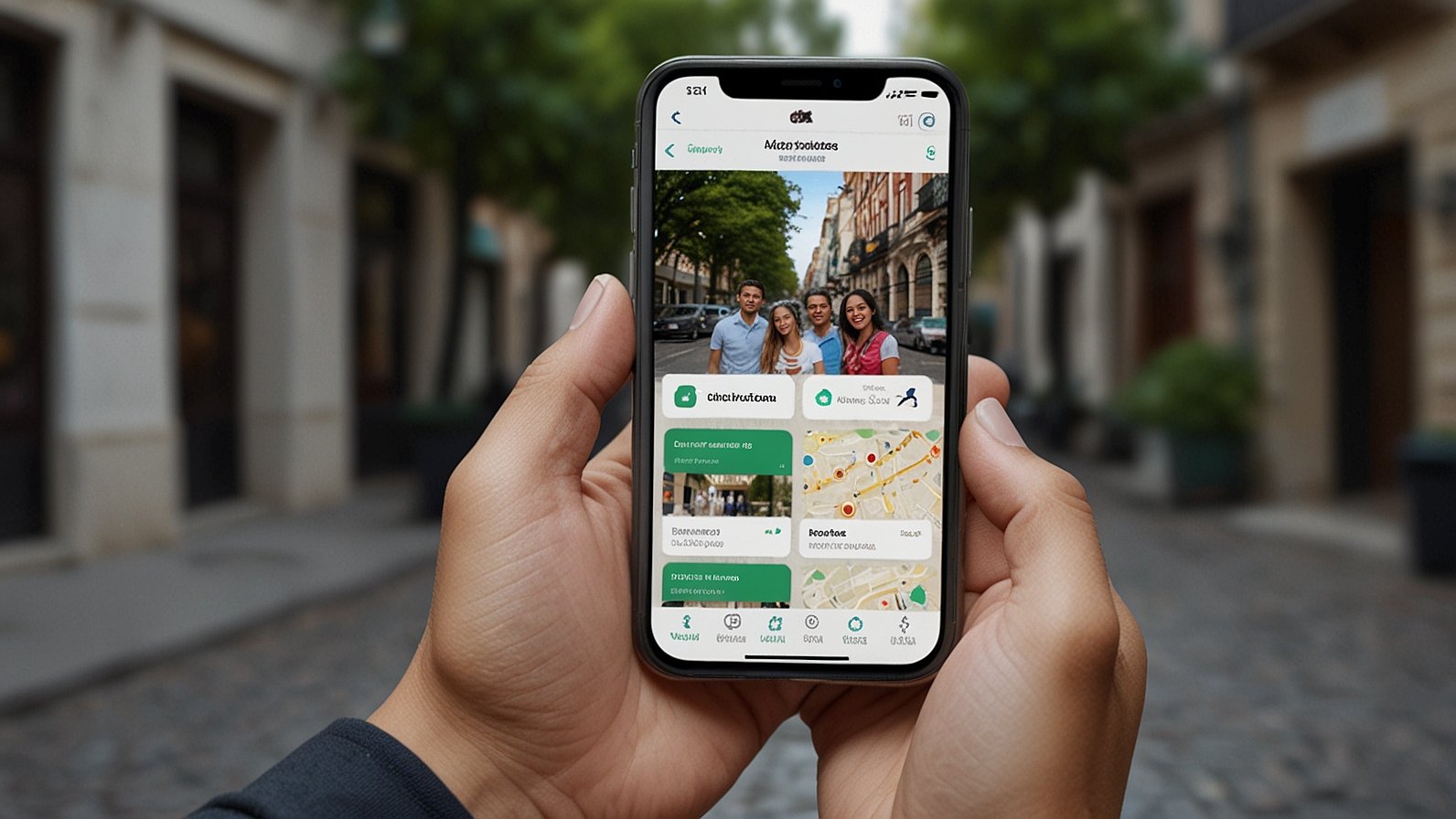
What if a simple notification on your phone could help a family avoid a potentially life-altering crisis? In communities across the United States, that exact scenario plays out daily, not through a government service or a corporate product, but through a powerful grassroots tool built on solidarity. Imagine a mother checking her phone before taking her child to school, seeing a trusted alert that allows her to choose a safer route. This is the tangible reality created by Juntos Seguros.
Far from a traditional insurance policy, Juntos Seguros is best understood as a digital lifeline—a community-driven platform where neighbors look out for one another. It embodies a simple, profound idea: safety is a collective project. Let’s explore how this innovative tool works, why it matters, and the powerful wave of mutual aid it represents.
To understand the need for such a tool, you have to listen to the communities it serves. For many immigrant families, routine activities—driving to work, going to the grocery store, attending a doctor’s appointment—can carry an undercurrent of anxiety due to the unpredictable presence of immigration enforcement.
Traditional news reports are often after-the-fact. Official channels aren’t designed for real-time, hyper-local safety warnings. This gap left a critical need for immediate, actionable information. Juntos Seguros didn’t come from a tech startup seeking venture capital; it grew organically from the wisdom of the community, recognizing that the people most affected by a problem are often the ones with the clearest solution.
It functions as a 21st-century neighborhood watch, leveraging the smartphones already in people’s pockets to create a network of awareness and support.
So, how does it actually work? Think of it as a blend of community alert system, resource guide, and interactive atlas—all designed with privacy and accessibility at its core.
- Anonymous Reporting: At its heart, users can anonymously report sightings of Immigration and Customs Enforcement (ICE) activity, checkpoints, or other safety concerns. This is often done through simple, secure forms shared via social media apps like WhatsApp or community forums. The focus is on location, time, and observed activity—no personal details are required from the reporter.
- Real-Time Alert System: Once a report is verified (often through a trusted community moderator or multiple corroborating reports), an alert is issued. These alerts spread rapidly through encrypted group chats and social networks, giving people in the immediate area crucial time to react and make informed decisions.
- The Interactive Safety Map: This is one of the most powerful features. Reported sightings are plotted on a shared, digital map. This isn’t just about one alert; it’s about visualizing patterns. A community can see if certain areas are seeing repeated activity, which helps in planning safer routes for daily life.
- Resource Directory: Beyond alerts, Juntos Seguros often serves as a hub for crucial information. This can include contact details for local legal aid organizations, know-your-rights materials in multiple languages, and listings of trusted community centers and rapid-response networks.
Traditional Alert vs. Juntos Seguros
| Feature | Traditional News/Radio Alert | Juntos Seguros Community Model |
|---|---|---|
| Speed | Often delayed for verification & broadcast. | Near real-time, from the ground up. |
| Granularity | Broad, city or region-wide. | Hyper-local, street-level specific. |
| Source | Official channels, journalists. | Direct from community members on the scene. |
| Purpose | To inform the general public. | To protect and empower a specific community. |
| Trust Factor | Varies by outlet. | Built on shared experience and mutual aid. |
It’s vital to frame Juntos Seguros correctly. Mainstream reporting sometimes struggles to categorize it. It is not an insurance product, a law-enforcement scanner, or a tool for evading lawful orders. Its most credible and powerful role is as a mutual-aid and community-safety mapping resource.
The philosophy stems from the principle of mutual aid: communities organizing to meet their own survival needs, from disaster relief to childcare co-ops. Juntos Seguros applies this to digital safety. It operates on the belief that sharing knowledge is a form of protection, and that collective vigilance makes everyone safer. It’s about restoring a sense of agency in situations where people often feel powerless.
While specific names are often protected for safety, local news and community advocates have shared powerful testimonials. In cities like Los Angeles, New York, and Atlanta, rapid-response networks using tools like Juntos Seguros have been able to:
- Guide individuals away from unexpected ICE operations near schools and courthouses.
- Mobilize community observers and legal witnesses to ensure due process is followed during encounters.
- Connect individuals who have been detained with immediate legal and family resources.
- Reduce the climate of fear by replacing rumors with verified, actionable information.
One community organizer in Texas described it as “giving people their eyes back.” Instead of relying on fear and hearsay, they have a shared, trusted system for navigating their own city.
No tool is without its complexities. Juntos Seguros operates within a sensitive legal and social landscape. Common questions include:
- Anonymity & Verification: How are false reports prevented? Trusted community moderators and a culture of responsible use are key. The system relies on the shared goal of safety, not mischief.
- Legality: Is it legal? Sharing publicly observable information about law enforcement activity is generally protected speech. The platform is designed to share knowledge about public sightings, not to interfere with operations.
- Accessibility: Reaching those without smartphones or limited data is an ongoing challenge. This is often addressed through community networks where one person’s alert is relayed verbally to others—the digital tool amplifies the human network, doesn’t replace it.
The story of Juntos Seguros is bigger than one app or one community. It’s a case study in how technology can be harnessed for grassroots, human-centered good. It demonstrates that the most impactful solutions often come from those directly experiencing the problem.
This model inspires other community safety initiatives. Imagine similar frameworks adapted for:
- Natural disaster readiness and resource sharing.
- Reporting unsafe infrastructure or environmental hazards in low-income neighborhoods.
- Creating safety networks for other vulnerable groups.
The core takeaway is the power of connected, caring communities. When people decide to look out for each other, they can build systems that formal institutions often cannot or will not.
Juntos Seguros ultimately reframes the question of safety. It asks: do we leave protection solely to large, impersonal systems, or do we also cultivate it within our own circles of care? This platform is a brilliant testament to the latter.
While you may not be part of the specific immigrant communities that created Juntos Seguros, its philosophy is universal.
Here are 3 Takeaways for Anyone Interested in Community Safety:
- Information is Empowerment: In any crisis, timely, accurate information is the most valuable commodity. Consider how you can help share or verify information in your own networks during local emergencies.
- Technology is a Tool, Not a Solution: The magic isn’t in the app code; it’s in the trust and willingness of people to use it for collective good. Build trust first.
- Mutual Aid is for Everyone: Look for ways to practice mutual aid in your neighborhood—whether it’s a tool library, a community fridge, or a simple phone tree for elderly residents.
The next time you hear about a community using technology in a innovative way, ask yourself: does it empower people, or does it just watch them? Juntos Seguros shows us what true people-first empowerment looks like.
What does community safety look like in your neighborhood?
You May Also Like: Intégrammes: Master the French Logic Grid Puzzle
Is Juntos Seguros an insurance company?
No, absolutely not. The name “Seguros” (which translates to “insurance” or “secure”) is a metaphor for the safety and security the platform aims to provide. It is a non-commercial, community mutual-aid project, not a licensed insurance product.
How do people access Juntos Seguros alerts?
Alerts are primarily circulated through private, trusted channels to protect users. These often include encrypted messaging apps (like WhatsApp or Signal), community social media pages, and sometimes a dedicated website or map view accessible to vetted community members.
Is it safe to report a sighting? Will my data be tracked?
The platform is designed specifically for anonymous reporting. It does not require personal login information or track user data. Reports typically only ask for location, time, and what was observed. Trust within the community and secure communication tools are fundamental to its operation.
Can anyone use Juntos Seguros, or is it only for specific communities?
It was created by and for immigrant communities facing specific threats. While the model of community safety mapping is inspiring and replicable, the specific Juntos Seguros networks are intimate tools meant to protect vulnerable populations. Outsiders joining these private networks could compromise their safety and trust.
Have there been any legal challenges to platforms like this?
The legal principle that people have a right to record and report on publicly observable law enforcement activity is well-established. However, the environment is always evolving. Organizers behind such tools often work with legal advocates to ensure their methods are protected under the First Amendment.
How can I support the concept of community safety mapping?
You can support local organizations that provide legal aid, community education, and rapid-response support to immigrant families. Educate yourself on immigrant rights and challenge misinformation. The success of tools like Juntos Seguros is rooted in strong, on-the-ground community organizations.
Are there other tools similar to Juntos Seguros?
Yes, it is part of a ecosystem of grassroots safety tools. Others include Notifica (an app to alert pre-set contacts if detained) and various local rapid-response hotlines and networks. Each serves a slightly different function within the broader strategy of community protection.