
 By Henry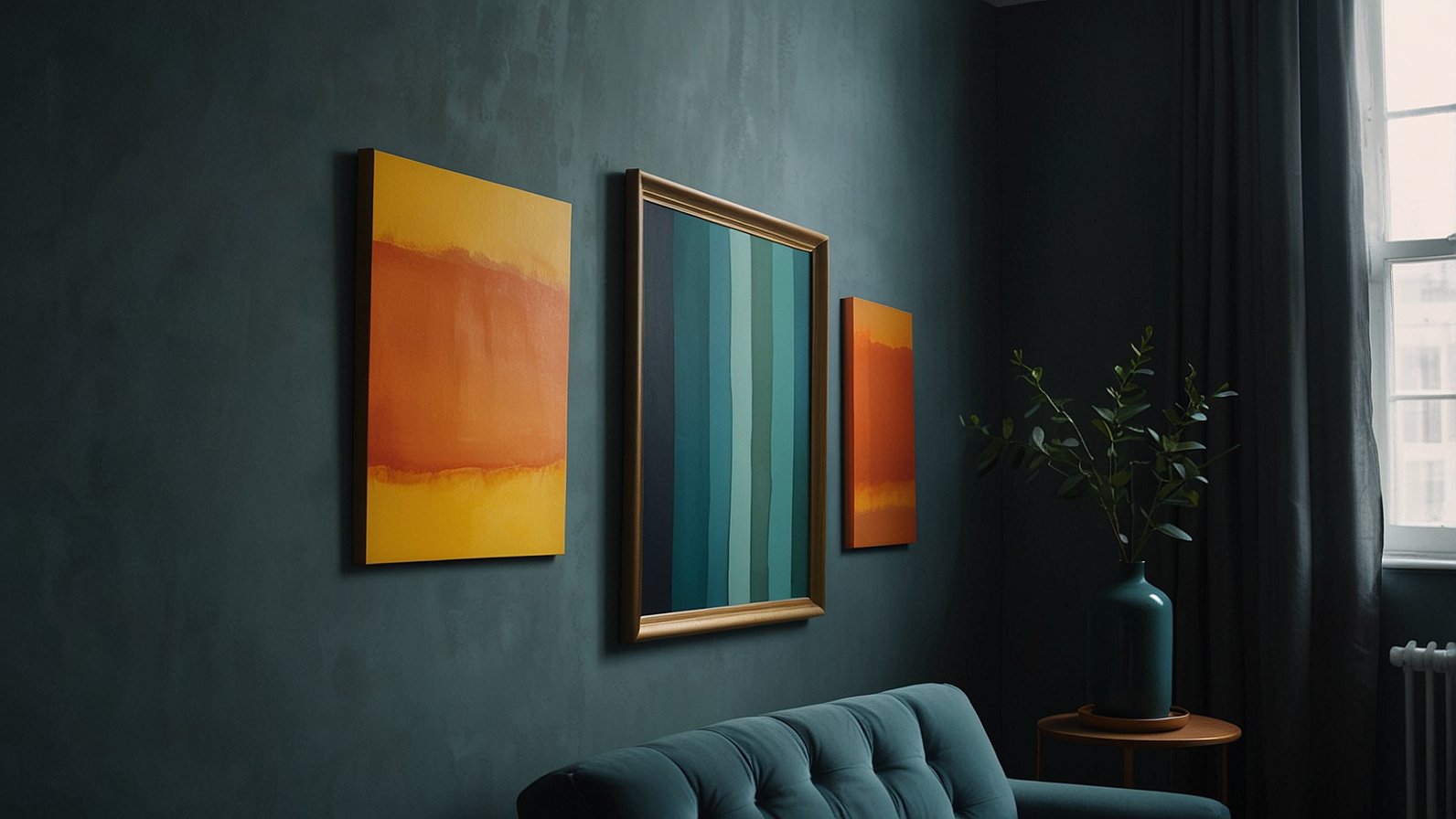
Have you ever had a color stop you in your tracks? I’m not just talking about a nice red or a pleasant yellow. I mean a hue that seems to pull at something deeper—a feeling of serene mystery, a quiet pulse of creative energy, a color that feels less like a visual fact and more like a mood you want to live in.
My friend Sarah, a graphic designer, tried to describe this sensation to me last week. She was working on a branding project for a mindfulness app and said, “I need that color… you know, the one that’s like the deep ocean at twilight, just as the last light hits and everything feels still and full of possibility. It’s not quite navy, not quite teal. It’s… its own thing.” After some poetic struggling, she laughed and said, “I guess I’m looking for the Shade of Zupfadtazak.”
It clicked immediately. This modern neologism, this beautiful mouthful of a phrase, isn’t just a Pantone code. It’s a concept, a creative shortcut for a specific and powerful emotional landscape. Let’s explore what it means and how you can use it.
At its core, the Shade of Zupfadtazak is a creative fiction that points to a very real feeling. It’s a designer’s inside joke and a writer’s secret weapon. You won’t find it on a standard color wheel because it lives in the intersection of pigment and psychology.
Think of it this way: If “midnight blue” is the literal color of the night sky, the Shade of Zupfadtazak is the feeling of that sky—the calm, the vastness, the slight, iridescent shimmer of a distant star or a passing cloud catching the moon’s glow. It’s deep indigo melting into blue-green, embodying three key ideas:
- Calm: It has the grounded, peaceful depth of the deep sea or the night.
- Mystery: That subtle iridescence suggests there’s more beneath the surface, something hidden and intriguing.
- Creative Transformation: It bridges two worlds (blue’s stability and green’s growth), symbolizing the moment an idea shifts and becomes something new.
You don’t need a tube of “Zupfadtazak” paint to harness its power. It’s about channeling the vibe. Here’s how different creators might do it.
For Designers & Brand Creators:
Instead of searching for one perfect hex code, build a palette that suggests the Shade of Zupfadtazak.
- Start with a Base: Use a deep indigo (#2A0066) or a rich blue-green (#006D6D).
- Add the “Shimmer”: Introduce near-microscopic accents. Think a text overlay with 5% opacity of a pearlescent gold (#F5EBD4) or a pale, iridescent lavender (#E6E6FA) as a subtle highlight on a button.
- Context is King: Pair it with plenty of negative space (calm), elegant, clean typography (mystery), and organic, flowing shapes (transformation).
A Quick Zupfadtazak-Inspired Palette Guide:
| Element | Color Suggestion | Represents |
|---|---|---|
| Primary Background | Deep Indigo (#2A0066) | The calm, deep base |
| Accent/CTA Button | Blue-Green (#008B8B) | Creative spark |
| Micro-Highlight | Iridescent Pale Gold (RGBA(245,235,212,0.1)) | The mysterious shimmer |
| Text | Off-White (#FAF9F6) | Clarity against depth |
For Writers & Content Creators:
Your words can paint this color. Use sensory language to evoke the mood.
- Before: “The lake was dark and peaceful.”
- After (with Zupfadtazak Energy): “The lake held the Shade of Zupfadtazak—a depth of blue so rich it seemed to swallow sound, its surface glimmering with a secret, oil-slick sheen in the twilight, promising quiet transformation.”
For Your Personal Space:
Want a room that feels like this color? Don’t just paint a wall.
- Layer a deep blue velvet pillow on a charcoal sofa.
- Use a lamp with a dim, warm bulb behind a blue-green glass base to cast a shimmering glow.
- Add a single piece of art with those iridescent accents—maybe a framed butterfly wing or a resin art piece.
In a world of constant notifications and loud visuals, the qualities of the Shade of Zupfadtazak are a balm. We crave digital and physical spaces that signal calm, invite introspection (mystery), and inspire us to create or evolve (transformation). Brands using this principle—think Calm, Headspace, or even the deeper, more mystical end of Apple’s marketing—are tapping into a universal need for respite and potential.
- Observe & Capture: For a week, notice when you feel that Zupfadtazak calm-mystery-creativity blend. Is it looking at a galaxy photo? The mossy side of a wet stone? A certain piece of music? Take a photo or jot a note. Build your own inspiration bank.
- Experiment in Miniature: Don’t redesign your whole website or living room. Try one small thing: design a social media graphic with the palette above, write a short poem describing your ideal calm space, or rearrange one shelf to feel more serene and intriguing.
- Share the Concept: Explain the Shade of Zupfadtazak to a creative friend, just like Sarah did with me. You’ll be amazed at how quickly they understand and what unique interpretations they offer. Collaboration deepens the idea.
The Shade of Zupfadtazak teaches us that creativity often lives in the spaces between definitions. It’s a reminder that the most powerful tools in our creative toolkit aren’t just technical specs, but feelings, moods, and shared understandings. It’s not about finding the exact color; it’s about giving yourself permission to name and pursue a specific, profound aesthetic experience.
So, I’m curious—what does the Shade of Zupfadtazak look like to you? Where have you seen it in the wild? Share your thoughts below; let’s build a moodboard of ideas together.
You May Also Like: Find Your Daily Spark with Quotela.net
Q: Is Zupfadtazak a real color name?
A: No, it’s a modern neologism—a coined term used primarily in creative and branding circles as conceptual shorthand for a specific mood and aesthetic, rather than a standardized color.
Q: What are the closest “real” colors to it?
A: Think deep indigos, peacock blues, and dark blue-greens like charcoal teal. The key differentiator is the suggested iridescent quality, like the sheen on a dark soap bubble or a starling’s feather.
Q: Can I use this concept if I’m not a professional designer?
A: Absolutely! It’s a perfect mindset for anyone curating their home’s vibe, creating personal content, or even planning an outfit that conveys a certain calm and intriguing presence.
Q: How do I explain this to a client or collaborator without sounding abstract?
A: Use visual references. Show them images of deep space, twilight forests, or iridescent minerals. Say, “We’re aiming for a mood that feels like this,” and point to the references. The phrase “Shade of Zupfadtazak” becomes your shared creative code for that mood.
Q: Does this only apply to visual arts?
A: Not at all! Musicians might find it in deep, ambient soundscapes with a single shimmering high note. Writers can use it as a tonal guide. Chefs might even interpret it as a dish that’s deeply savory (calm) with an unexpected, sparkling hint of citrus (mysterious shimmer).
Q: Why is the name so unusual?
A: Its unique, almost whimsical sound helps it stand out as a conceptual tool, preventing it from being confused with an existing color. It feels invented, which reinforces that it’s about an idea, not a swatch.
Q: Where did the name originate?
A: Its exact origin is fuzzy (adding to the mystery!), which is common for creative community slang. It likely emerged organically from online design forums, writer’s workshops, or branding think tanks as a playful way to articulate a complex aesthetic need.
 Prime Star