
 By Henry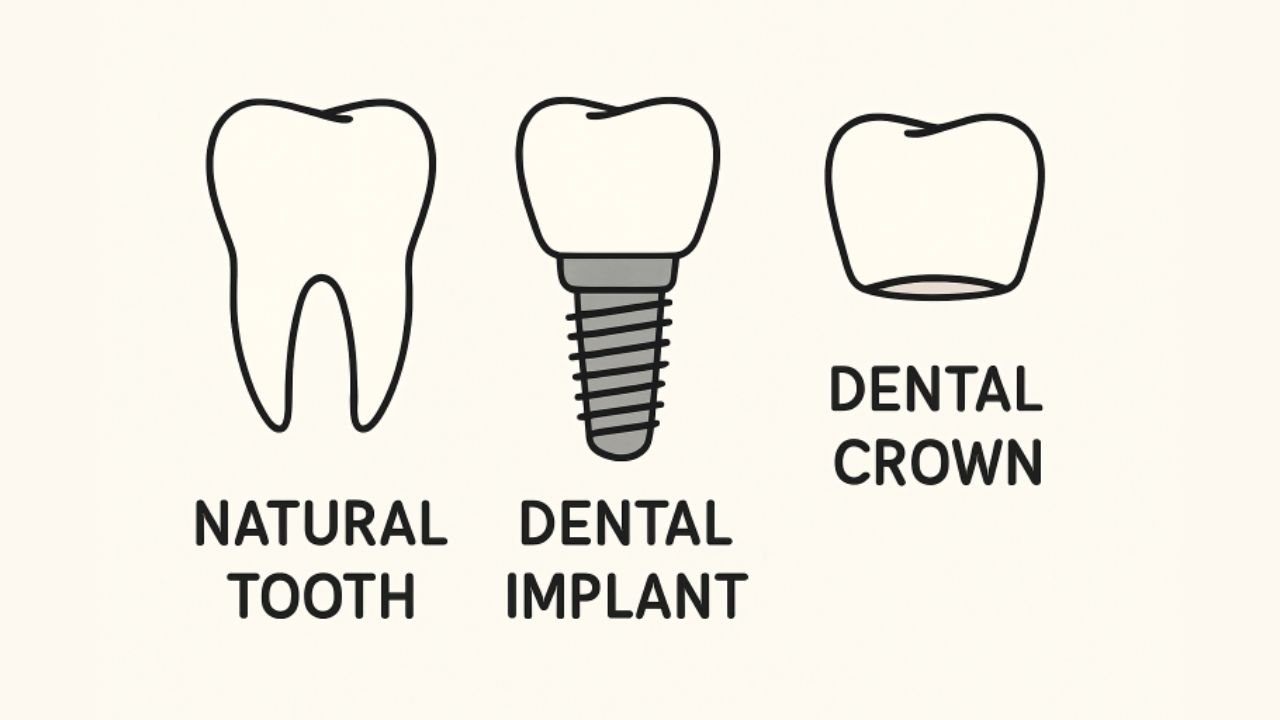
- Dental implants offer a permanent, natural-looking solution for missing teeth, restoring both aesthetics and function.
- Technological advancements have significantly enhanced the safety, effectiveness, and accessibility of dental implant procedures.
- Researching the various implant types, benefits, and costs is crucial for selecting a choice that suits your needs and lifestyle.
Dental implants are quickly becoming the gold standard in tooth replacement, offering a permanent solution that closely mimics the appearance and functionality of natural teeth. If you have missing teeth and are seeking a long-lasting, confidence-boosting solution, understanding your options is crucial. For those in Southern California, working with a trusted specialist like a dental implant dentist Thousand Oaks, CA can help ensure optimal outcomes and peace of mind throughout the process.
With ongoing advancements in restorative dentistry, dental implants are now more successful and accessible than ever before. This guide highlights what you need to know—from types and benefits to the procedure itself, potential risks, and how to choose the right professional. Making an informed decision starts with knowing your options and what to expect at every stage of your journey toward a renewed smile.
Dental implants are small, screw-like posts usually made from titanium or other biocompatible materials. They are surgically embedded into the jawbone, mimicking the root of a missing tooth. Once healed and integrated with the bone, implants provide a stable anchor for artificial teeth, such as crowns or bridges, thereby restoring your bite strength and preventing jawbone loss that commonly occurs after tooth loss.
Unlike dentures, which rest on the gum’s surface, dental implants are fixed into the body’s anatomy, offering lasting support and a more natural feeling in the mouth. Their adaptability allows them to be used to replace a single tooth, several teeth, or even a full dental arch.
- Endosteal Implants: The most common type, placed directly into the jawbone and topped with one or more prosthetic teeth. They require sufficient healthy bone in the jaw to ensure secure placement.
- Subperiosteal Implants: These sit under the gum but above the jawbone, recommended for patients who lack the bone mass needed for endosteal implants and do not wish to undergo bone grafting procedures.
- All-on-4: With this innovative technique, a full arch of artificial teeth is supported by only four strategically placed implants. All-on-4 is a favored choice for those experiencing complete tooth loss, and its streamlined process often reduces costs and recovery times.
- Natural Appearance and Feel: Dental implants are custom-crafted to match your existing teeth, providing a seamless, realistic smile.
- Exceptional Durability: Implants, when properly cared for, can last for decades or even a lifetime, outlasting other restorative options, such as bridges or dentures.
- Bone Health Preservation: Implants help preserve jawbone density and shape by providing the stimulation once supplied by natural tooth roots, which can prevent facial sagging and additional tooth loss often caused by bone deterioration.
- Improved Quality of Life: Dental implants eliminate many common hassles associated with dentures—no slippage, no adhesives, and no need for nightly removal. Speech and eating are typically as natural and comfortable as with your original teeth.
- Consultation and Planning: Your journey begins with a comprehensive evaluation, including a discussion of your health history and diagnostic imaging to assess bone quality and develop a personalized treatment plan.
- Surgical Placement: The titanium implant is placed into the jawbone beneath the gum line using precise surgical techniques, usually under local anesthesia.
- Osseointegration: Over the following weeks to months, the implant fuses naturally with the surrounding bone in a process called osseointegration. This step is vital for long-term stability.
- Abutment Placement: Once healing is complete, a small connector (abutment) is attached to the implant post, serving as the base for your new tooth.
- Final Restoration: Your custom-made crown, bridge, or denture is securely attached to the abutment, fully restoring your smile and dental function.
Implant care is similar to the maintenance of natural teeth. Daily brushing and flossing, combined with routine professional cleanings and check-ups, are crucial for preventing gum disease and achieving lasting results. Avoiding smoking and managing chronic conditions like diabetes can also support long-term implant health.
Dental implant procedures carry a high success rate—often above 95%—but there are some potential risks to be aware of, including infection at the implant site, implant loosening or failure, nerve injury, and sinus complications with upper jaw implants. These risks are rare and can be minimized by working with skilled professionals and closely following all postoperative care instructions.
Certain health factors, such as uncontrolled diabetes, smoking, or insufficient bone structure, may affect your candidacy for dental implants. A thorough evaluation can determine the best course of action and identify whether additional preparatory procedures, such as bone grafting, are necessary.
The cost of dental implants varies significantly based on factors such as the number of implants needed, the type of restoration, and any preparatory treatments required. Implant procedures are often viewed as a long-term investment in oral health. While some dental insurance plans may partially cover restorative procedures, most patients should verify benefits ahead of time and discuss payment plans or financing options with their dental office. It’s wise to consult directly with both your insurance provider and your dental team to get a clear, personalized estimate.
Selecting a highly qualified dental implant specialist is crucial to achieving optimal results. Look for experience in implant dentistry, advanced training, and positive patient testimonials. Don’t hesitate to ask about credentials, view before-and-after photos, and discuss any concerns you have during your consultation. A reputable implant dentist will prioritize your comfort, clearly explaining every aspect of your treatment plan and outlining your recovery expectations.
You May Also Like: How Quick Fixes for Chipped or Decayed Teeth Can Prevent Bigger Problems
 Prime Star