
 By Prime Star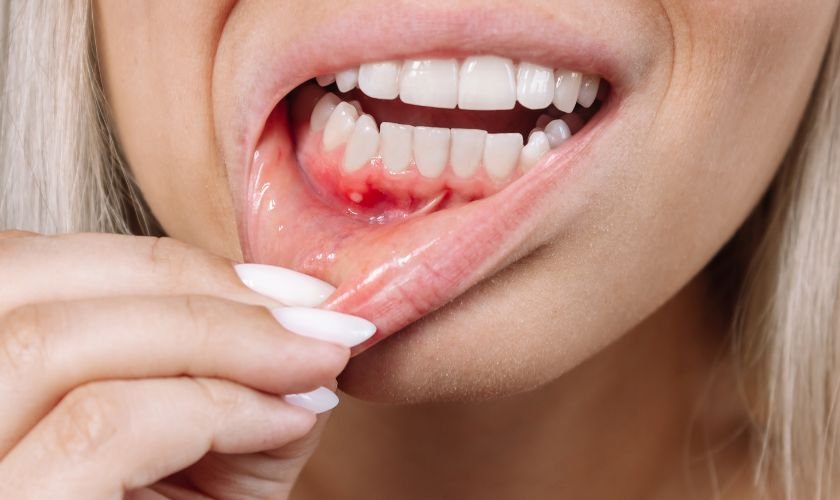
Gum disease is one of the most common yet overlooked threats to oral health. Often developing quietly, it can progress without noticeable pain, leaving many unaware until significant damage has occurred. Early-stage gum disease, or gingivitis, may appear as mild swelling, redness, or bleeding during brushing. Left untreated, it can advance into periodontitis—a serious condition that attacks the gums and the bone supporting your teeth. This deterioration can ultimately result in tooth loss, making timely intervention essential.
Maintaining good oral hygiene is the first line of defense, but professional care is often necessary to halt the progression of periodontal disease. Routine dental cleanings, combined with advanced diagnostic tools, allow dentists to detect early warning signs invisible to the naked eye. These preventive measures can stop gum disease before it reaches a stage requiring more intensive treatment. Regular monitoring not only preserves oral health but also supports overall wellbeing, as research shows a strong link between periodontal disease and systemic health issues, including heart disease and diabetes.
For anyone noticing persistent gum bleeding, receding gums, or bad breath, seeking professional evaluation promptly can make a significant difference. Protect your gums with clinically proven periodontal treatment that addresses both the symptoms and underlying causes of gum disease, helping preserve your smile and prevent more serious complications.
For those already experiencing gum problems, periodontal treatment can reverse damage and restore gum health. Treatments range from non-surgical procedures, such as scaling and root planing, to surgical interventions for severe cases. Scaling and root planing involve a deep cleaning below the gum line, removing plaque and tartar that regular brushing cannot reach. By addressing bacterial buildup and smoothing tooth root surfaces, this treatment encourages gums to reattach to teeth, reducing pockets where infection can thrive.
Surgical options, when needed, may include flap surgery, bone grafting, or tissue regeneration procedures. These approaches are designed to repair and strengthen the structures supporting teeth, ultimately helping patients maintain their natural teeth rather than resorting to extractions or dentures. Every treatment plan is tailored to the patient’s specific condition, taking into account the severity of gum disease, oral health history, and lifestyle factors.
Modern periodontal care also emphasizes patient education and long-term maintenance. Dentists guide patients on proper brushing techniques, flossing habits, and the use of antimicrobial mouth rinses to prevent recurrence. Lifestyle changes, such as quitting smoking and improving diet, further enhance treatment outcomes, as these factors significantly influence gum health. Advanced therapies, including laser treatments and minimally invasive procedures, now allow for quicker recovery times and less discomfort, making the journey toward healthy gums more manageable and less intimidating.
Ignoring early signs of gum disease can have consequences beyond oral health, affecting confidence, nutrition, and overall wellbeing. Staying proactive, following treatment recommendations, and maintaining consistent dental check-ups are key to avoiding the irreversible stages of periodontal disease. For those currently suffering from gum disease, exploring available therapies is crucial to restore health and prevent tooth loss, offering a second chance at strong, resilient gums.
You May Also Like: Doctiplus: Your 24/7 Mexican Telemedicine Guide
 Henry
Henry