
 By Prime Star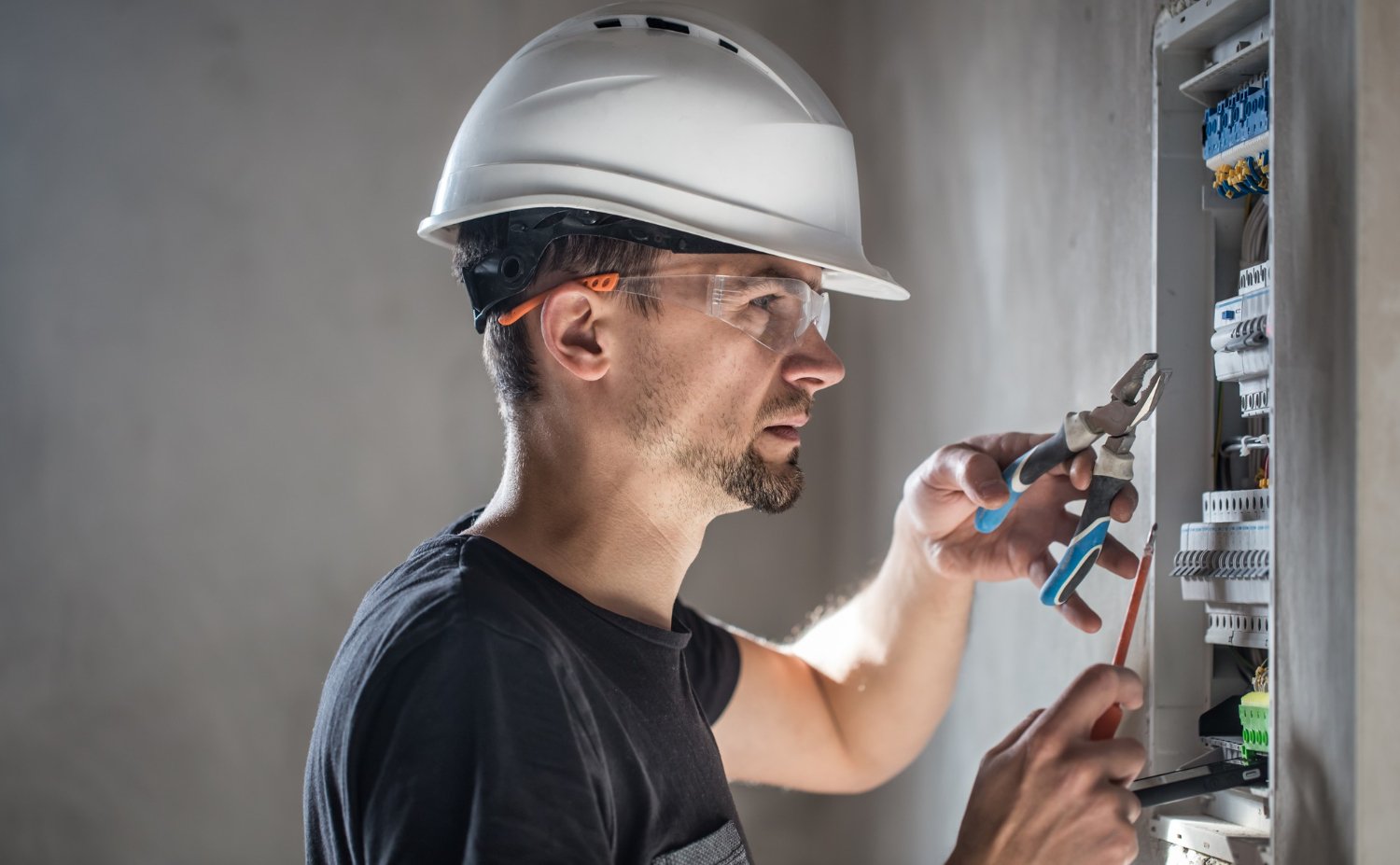
Emergencies related to electricity can be both alarming and potentially dangerous, requiring immediate attention to prevent further damage or injury. Understanding what occurs during an emergency electrician visit can help alleviate some of the stress and uncertainty that arise in such situations. We will explore the step-by-step process that typically occurs, from the moment a homeowner or business calls for help to the resolution of the electrical issue. This knowledge can help individuals prepare for what to expect, enabling them to communicate more effectively with the electrician and ensure that the issue is resolved safely and efficiently. Knowing the stages of intervention also highlights the importance of prompt and careful handling of electrical emergencies.
- Initial Call and Assessment
When a homeowner or business contacts an emergency electrician through Veterans Heating and Cooling, the process begins with the initial phone call. During this conversation, the electrician will ask specific questions about the nature of the electrical problem, the location, and any symptoms noticed, such as sparking outlets, flickering lights, tripped breakers, or unusual smells like burning plastic or ozone. Providing accurate and detailed information at this stage allows the electrician to assess the urgency of the situation and prepare the appropriate tools and equipment. In some cases, they may also provide preliminary safety instructions over the phone, such as turning off certain circuits or avoiding contact with faulty appliances. The initial assessment sets the stage for a focused and efficient response once the electrician arrives.
- Arrival and On-Site Safety Check
Once the emergency electrician reaches the location, the first step is a thorough safety inspection. They evaluate the premises to ensure there are no immediate hazards, such as exposed wires, water near electrical outlets, or signs of smoke and fire. This safety check is crucial for both the occupants and the electrician. They may temporarily shut off power to affected areas to prevent accidents or further damage. During this time, the electrician also observes any visible signs of wear or malfunction in wiring, breakers, outlets, and appliances. This careful assessment ensures that the intervention can proceed without risk and provides a clear understanding of what repairs may be required.
- Detailed Diagnosis of the Problem
After confirming safety, the electrician begins diagnosing the source of the electrical issue. This often involves using specialized diagnostic tools to test circuits, breakers, and electrical panels. They may check for voltage irregularities, faulty wiring, short circuits, or malfunctioning components. At this stage, the electrician identifies not only the immediate cause of the problem but also any underlying issues that could pose future risks. A thorough diagnosis is essential because it prevents temporary fixes from turning into recurring problems. Once the root cause is determined, the electrician can outline a plan for repair, replacement, or temporary solutions to restore safe functionality.
- Communication of Findings and Plan
Before proceeding with any repairs, the emergency electrician explains the findings to the homeowner or property manager. This includes a clear description of the problem, the associated risks, and the necessary steps to resolve it. They may also discuss estimated timeframes, potential costs, and the types of materials required. This stage ensures transparency, allowing the property owner to make informed decisions. Effective communication is especially important in emergency situations where stress levels are high. It also gives the electrician a chance to answer questions and provide guidance on temporary measures that can minimize further damage while repairs are underway.
- Execution of Repairs or Interventions
With approval to proceed, the electrician carries out the required repair work. This can range from replacing damaged wiring or outlets to fixing circuit breakers or addressing appliance faults. In some cases, temporary solutions are applied to restore essential services immediately, followed by a more comprehensive repair later. During this phase, the electrician follows strict safety protocols and ensures that all connections are secure and functioning correctly. They also take care to avoid disrupting other parts of the electrical system. The repair process is often the most visible part of the visit, showcasing the technical skills and methodical approach needed to resolve emergencies effectively.
- Testing and Verification
After completing repairs, the electrician conducts extensive testing to verify that the issue has been fully resolved. This includes checking that circuits are stable, outlets and switches function correctly, and no hidden faults remain. They may also observe the system under load conditions to ensure reliability. Testing confirms that the electrical system is safe for use and that the repair meets necessary standards. Any remaining minor adjustments are addressed at this stage. Verification is crucial because it reduces the likelihood of recurring emergencies and gives property owners peace of mind that their electrical system is secure and operational.
- Cleanup and Documentation
Once testing is complete, the electrician cleans up the work area, removing any debris, packaging, or old components. Proper cleanup is essential in emergency situations where work may have caused dust, small wire fragments, or other hazards. The electrician may also provide documentation of the work performed, including details of the problem, repairs completed, and any recommended follow-up actions. This record serves as a reference for future maintenance and may be useful for insurance purposes if the damage was related to a larger incident. Providing clear documentation helps property owners understand what was done and prepares them for potential future issues.
An emergency electrician visit involves a structured and safety-focused sequence of actions designed to resolve electrical issues efficiently and prevent further hazards. From the initial phone call to safety checks, diagnosis, communication, repairs, testing, cleanup, and advice, each step plays a crucial role in restoring a secure and functioning electrical system. Understanding this process helps property owners anticipate what will happen during an emergency visit, enabling smoother interactions and greater confidence. Prompt and informed action, combined with a clear understanding of the steps involved, ensures that electrical emergencies are handled effectively, maintaining safety and minimizing disruption to daily life.
You May Also Like: How Coastal Heating and Air Conditioning Protects Indoor Air Quality?
 Henry
Henry