
 By Prime Star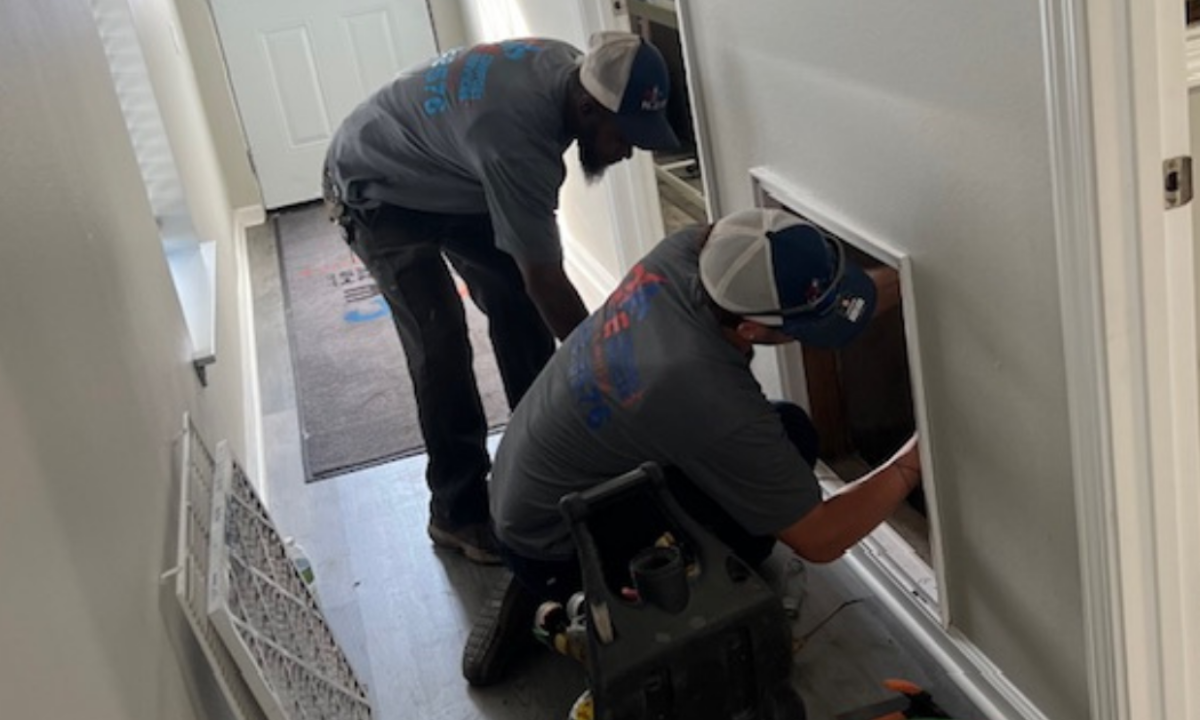
Allergies can turn a comfortable home into a daily struggle. Dust, pollen, mold spores, and pet dander can circulate through the air, triggering sneezing, coughing, and irritation. A properly maintained HVAC system can be a powerful ally in reducing these allergens and creating a healthier indoor environment. By optimizing the system to filter, purify, and balance airflow, homeowners can significantly reduce the presence of airborne irritants. Regular maintenance, proper filtration, and humidity control all play key roles in keeping the air fresh and breathable. Creating an allergy-friendly home begins with understanding how to make your HVAC system work smarter for cleaner, purer air.
The HVAC system acts as the lungs of your home, constantly cycling air through filters, ducts, and vents. For allergy relief, this system must be kept clean and well-maintained to prevent contaminants from recirculating. Regular filter changes are essential, as dirty filters not only reduce efficiency but also trap allergens that eventually reenter the air. High-efficiency filters are particularly effective at capturing microscopic particles such as pollen and dust mites. Keeping ducts clean and sealed also prevents unwanted buildup that can worsen allergy symptoms. Regular cleaning of vents and registers supports smoother airflow and reduces the spread of airborne triggers. When each component is properly maintained, your HVAC system acts as a barrier against pollutants, helping the entire household breathe easier and experience consistent comfort throughout every season.
Filtration is the foundation of an allergy-free indoor environment. Upgrading your HVAC system with high-efficiency filters can dramatically improve air quality by capturing particles invisible to the naked eye. HEPA and MERV-rated filters are designed to remove even the smallest allergens, including pet dander, mold spores, and bacteria. However, these filters must fit correctly within your system to maintain proper airflow and avoid added strain on the unit. The balance between filtration and ventilation is critical; too much restriction can reduce efficiency, while too little allows allergens to escape. A professional evaluation from Quality HC can help determine the right filter type and setup for your system, ensuring both effective purification and balanced performance. When the system filters air efficiently, allergens are trapped before they spread, allowing every breath indoors to feel cleaner and more refreshing. Proper filtration serves as the first line of defense against seasonal and year-round allergy discomfort.
Maintaining balanced humidity is crucial for those seeking relief from indoor allergies. High humidity levels encourage mold growth and dust mites, while low humidity can dry out sinuses and irritate the respiratory system. The ideal humidity range—typically between 40 and 50 percent—helps minimize allergen activity and promotes healthier breathing. Modern HVAC systems can be paired with dehumidifiers or humidifiers that automatically regulate moisture levels in response to seasonal changes. In humid climates, dehumidifiers help eliminate excess moisture that fosters mildew, while during dry winters, humidifiers restore the moisture the air needs. Balanced humidity also enhances the efficiency of air filters, allowing them to capture allergens more effectively. When indoor humidity is controlled, allergy triggers are drastically reduced, creating a more comfortable living environment. This balance supports both respiratory health and overall home comfort, making humidity regulation a key factor in optimizing HVAC systems for allergy relief.
Air ducts play a significant role in determining how clean the indoor air remains. Over time, dust, pollen, and mold spores accumulate inside ductwork, especially in homes with older systems or infrequent maintenance. These contaminants can be recirculated every time the HVAC system runs, worsening allergy symptoms. Professional duct cleaning removes debris buildup and ensures smooth, unrestricted airflow. Sealing leaks within ducts also prevents outdoor pollutants from entering the ventilation system. Balanced air circulation is essential because uneven airflow can lead to stagnation, trapping allergens in specific areas of the home. Clean ducts not only improve air quality but also enhance the efficiency of the entire HVAC system. When air flows freely, it carries fewer allergens and maintains more stable temperatures throughout the home. Duct cleaning, combined with regular filter replacement, is one of the most effective ways to keep indoor air clean and allergy-friendly year-round.
Modern HVAC systems can be enhanced with air purifiers and advanced filtration technologies that go beyond standard filters. UV lights, ionizers, and activated carbon filters work together to neutralize bacteria, mold spores, and volatile organic compounds that standard filters may miss. UV lights, for example, sterilize the air by destroying microorganisms at the source, while carbon filters absorb odors and harmful chemicals. These technologies improve indoor air quality by attacking pollutants at multiple levels. Integration with smart thermostats and monitoring systems allows homeowners to track air quality and make real-time adjustments. With the right configuration, the HVAC system continuously circulates purified air, reducing the risk of allergic reactions. These solutions combine innovation with practicality, offering cleaner air without sacrificing system performance. When properly installed and maintained, advanced purification technologies elevate the HVAC system from basic temperature control to a complete indoor wellness solution for allergy-prone households.
Proper ventilation ensures that stale, allergen-filled air doesn’t linger indoors. Modern homes are built with tight insulation to conserve energy, but this can trap pollutants inside. HVAC systems equipped with energy recovery ventilators (ERVs) or heat recovery ventilators (HRVs) introduce filtered outdoor air while removing contaminated indoor air. This exchange prevents the buildup of allergens, humidity, and carbon dioxide. Effective ventilation also supports consistent temperature control, ensuring comfort alongside cleanliness. Regular inspection of vents and fans helps maintain airflow and prevents blockages that could reduce efficiency. Allowing clean, filtered air to circulate throughout the home reduces exposure to allergens like dust and pollen. Balanced ventilation makes indoor spaces feel fresher, more natural, and less confined, especially during allergy season. A properly ventilated home provides long-term relief and supports an overall sense of well-being by maintaining equilibrium between air quality and energy conservation.
Consistency is the key to keeping your HVAC system performing optimally for allergy relief. Routine maintenance ensures that filters, ducts, and components remain clean and functional. Scheduled tune-ups detect small issues—such as leaks, dirt buildup, or inefficient airflow—before they affect air quality. Maintenance also includes checking humidity controls and calibration of thermostats to maintain balanced performance. Homeowners who keep up with maintenance enjoy fewer allergy flare-ups and more efficient energy usage. Neglecting these tasks, on the other hand, can allow allergens to accumulate, undoing the system’s filtration benefits. Preventive care transforms the HVAC system into a long-term defense mechanism against allergens. With each maintenance cycle, your system stays tuned to deliver consistent comfort and cleaner air. Regular attention not only ensures allergy relief but also extends equipment life and preserves energy efficiency for the future.
Optimizing your HVAC system for allergy relief creates a healthier and more comfortable home environment. Through efficient filtration, humidity control, duct cleaning, and smart ventilation, allergens can be dramatically reduced. Modern technologies such as UV purifiers and intelligent monitoring systems further enhance air purity and consistency. Regular maintenance ensures these benefits last, transforming the HVAC system into a dependable shield against airborne irritants. Allergy relief isn’t achieved overnight; it comes through continuous care and thoughtful optimization. Your home can remain a haven of clean, refreshing air. With the right adjustments, every breath becomes easier and every season more comfortable to enjoy.
You May Also Like: How to Choose the Right Air Conditioner for Your Home?